Monday, June 27, 2011

basic veggie kimbap


ingredients for 6 rolls
- 6 sheets of roasted seaweed
- 3 bowls of cooked rice, room temperature
- 1 bunch of spinach
- 1 large carrot chopped into long matchsticks
- 6 pieces of long pickled daikon (sold in packages in the refrigerated section at asian markets)
- 6 pieces of imitation crab torn into thin strips(also old in packages in the refrigerated section at asian markets)
- 1 large cucumber chopped into long matchsticks
- salt
- cooking oil
- sesame oil
- sesame seeds

Equipment
- bamboo sushi roll mat


1. Heat some oil in a pan and stir fry the carrots until cooked through. Season with salt. (Everything should be seasoned more salty than usual because the rice is not seasoned and it will balance it out.)

2. Blanche the spinach in boiling water for 1 minute. Rinse in cold water to stop overcooking.

3. Add a teaspoon of sesame oil and mix it up. Season with salt. Set aside with the rest of the filling ingredients.


4. Place bamboo mat on the cutting board.
5. Place a sheet of seaweed on the roll.
6. Use a spatula and spread a thin layer of rice on the seaweed. Leave aninch on the top and bottom end empty, with the exception of a few grains.
7. Place the filling ingredients on the bottom third of the rice.
8. Carefully bring the bottom part of the bamboo and bring the seaweed over the ingredients and tuck it in to start the roll.
9. Move the bamboo back and and make another half roll. Press firmly and carefully with each half roll.
10. Repeat until you reach the end. The few grains of rice will keep the roll closed.
11. Roll the seaweed roll in the bamboo and press a little to make a nice round shape.

12. Brush some sesame oil on the roll. Sprinkle sesame seeds.

13. Cut into slices with a sharp knife.

Serve with pickled daikon.

* other versions. you can make kimbap with almost anything but the ingredients that are usually always included are carrots, pickled daikon, pickled burdock root, and spinach

kimchi kimbap: add chopped drained kimchi
tuna kimbap: add tuna mixed with some mayonnaise
beef kimbap: add ground beef cooked with some soy sauce

Tuesday, June 21, 2011

Bapsang


This was our lunch last Saturday. Too bad we ran out of kimchi!

Bean Sprout Soup (Kongnamul Guk)

Have we mentioned that Koreans love soup? Sometimes it is the main point of a meal sometimes it is just an accompaniment. Either way we think a meal is not really complete without a soup.

This recipe is for a simple soup made with bean sprouts and is more of a side dish. When you go to restaurants and order a dish, this kind of soup will just come out on the table with the rest of the banchan. It's the kind of dish that you won't ever order because it's never on the menu and you won't plan a meal around this dish, but you will miss if it's not served.

  
Ingredients for 2
200g bean sprouts
6 dried anchovies
1 piece of dried kelp
2 inch slice of daikon
6 cups water
2 t salt
1t Korean red chili powder
2 T chopped green onions


1. Make the broth. Put the water, anchovies, kelp, and daikon into a pot and bring to a boil. Lower heat and cook for 4-5 minutes. Take out the anchovies and kelp.


2. Add bean sprouts and put the lid on the pot. Raise the heat and bring to boil for 1-2 minutes. Then add the salt, green onions and red chili powder.


Put in a bowl and season to taste with salt and pepper. And you're done. It tastes the best when it's piping hot.

Wednesday, June 15, 2011

Stir Fried Glass Noodles (Japchae)

Japchae is one of the more well known Korean dishes and we've had quite a few requests for this dish, so here it is.

Japchae is not really an everyday dish because it takes a while to make and requires a bit of work. It's usually made in big batches and that's why our moms used to make this dish on holidays or birthdays. Relatives would come early to help with the preparations and the women would all be in the kitchen cooking and gossiping for hours.  It took us over an hour but was actually really fun to make because we were cooking together and we knew there would be loads of leftovers to take home and share.


Ingredients for 6-8 servings
1/2 large white onion sliced thinly
1/2 large carrot sliced into matchsticks
1 red bell pepper sliced thinly
1 green bell pepper* sliced thinly
1 1/2 cup of oyster or shitake mushrooms sliced thinly
6 oz thinly sliced beef, we used sirloin
2 eggs beaten
Vegetable oil for stirfrying
200g glass noodles
8 T soy sauce
3 T sugar
2 T sesame oil
2 T sesame seeds
Salt and pepper
* Usually spinach is used. (We just couldn't get any that day.) Just trim and blanche one bunch of spinach and season with 1t sesame oil and some salt. Doesn't need to be stir fried.

Ingredients for beef marinade
1T soy sauce 
1/2 T minced garlic
2T chopped green onion
1T rice wine
1t sesame oil
Pepper

 1. In a small bowl mix the marinade ingredients with the beef and set aside. Put a pot of water on high heat to boil the noodles.

2. In a large frying pan heat up some oil and pour in the eggs. Season with salt and pepper. Flip after a minute to make a thin sheet of fried egg. Cool on a plate, then cut into matchsticks. Set aside.


3. In the same pan stir fry the onions, mushrooms, green bell pepper, red bell pepper, carrot, then meat in that order with the vegetable oil and season with salt. The ingredients must be stir fried separately to keep the flavors in tact. And the order of frying should be from the lightest color to the darkest.

4. Set aside with the egg.

5. In a pot of boiling water add the glass noodles. Let cook for 8 minutes. Put in a colander and run under cold water to prevent overcooking. Drain thoroughly.

6. In the same frying pan heat up the sesame oil and add the drained noodles. The oil helps prevent the noodles from getting soggy. Mix around then add the soy sauce and sugar. If the noodles seem wet and slippery just let it sit in the pan for a little bit until all the moisture is gone and the noodles are more sticky than slippery. It should taste more salty than usual because the stir fried ingredients will balance out the taste. If it's still bland add a little more soy sauce.

7. Turn the heat off. Add the stir fried ingredients and mix it all up with your hands. Taste one more time and season with salt and pepper if needed.

8. Put in a serving bowl and sprinkle with sesame seeds. And you're done! It's perfect for a pot luck or dinner party. You will be surprised at how fast this huge bowl disappears.

Monday, June 6, 2011

Grilled Fish (Saengsun Gui)

Saengsun means fresh fish in Korean. This recipe is perfect for when you have a whole fresh fish and you don't have time or can't be bothered with fancy recipes. Last night I was at the grocery store wondering what to get for dinner when these beauties came into view, sitting on ice, perfectly firm and fresh. I was tired but really felt like a home cooked meal so this was just what I needed.

In Korea, the common fish found in home style restaurants is mackerel or sardines as they are abundant and easy to get. But you can use this recipe for most any kind of fish that is commonly sold and cooked whole. Here we are using branzino, a favorite of mine at Italian restaurants. It's so simple to make it can hardly be called a recipe.


Ingredients:
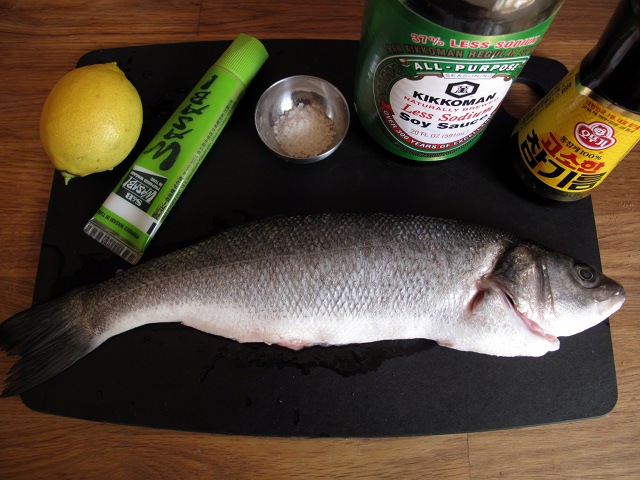
1 whole branzino (a little under 1 pound, scaled and gutted)
1 T sesame oil
Salt and pepper to taste
2 lemon wedges
1 T soy sauce and some wasabi for dipping


1. Pat the fish dry with a paper towel and and use a knife to make slits into both sides of the fish 1 inch apart.


2. Brush both sides of the fish with the sesame oil and season generously with salt and pepper.


3. Heat a grill pan (or regular grill, if you have one) on medium. When the pan is hot place the fish onto the grill. Let it grill for 5-6 minutes or until the bottom is brown and crispy.


4. Flip it over and grill for another 5-6 minutes. Remember to only flip once to prevent the fish from getting mangled.


And you're done! Put it on a plate with lemon wedges and soy sauce with wasabi. These condiments  will really bring out the flavor of the fish. It's a very satisfying and easy main dish and is a perfect compliment to any kind of jjigae or even just a simple bowl of rice.

Monday, May 30, 2011

Seasoned Fish Cake (Uh Mook Jorim)

Uh mook means fish cake in Korean. There are many shapes and varieties and they are usually found in the frozen food section in Asian markets. It's one of those foods that is very nostalgic for us because it was a common side dish in our lunch boxes when we went to school and we could always find it at street food carts. It's kind of a guilty pleasure since it's usually not that healthy for you, but we try to make up for it by buying the more expensive fish cakes made with natural ingredients.

This dish is an easy and tasty side dish made by stir frying it in soy sauce.

Ingredients:
2 T cooking oil
2 sheets fish cake (100g) sliced into 1/2" slices
1/2 small onion sliced
2 T sliced red or green pepper
2 cloves garlic thinly sliced
1 1/2 T soy sauce
1/2 T sugar
Black pepper
1 t sesame seeds

1. Heat the oil in a frying pan on medium heat and add the garlic. Cook until you can smell the garlic cooking.


2. Add the onion and cook for another minute or two.

3. Add the fish cake slices. Stir around until the fish cake is soft, a couple minutes.

4. Add soy sauce.

5. Add the sugar.  Reduce heat and mix it around until the sauce is absorbed and the fish cake is an even golden brown. 1-2 minutes.

6. Add some pepper.

7. Add the pepper slices. Stir around until the pepper is slightly wilted.


Sprinkle with sesame seeds and put on a cute plate. Ready to serve with some rice and kimchi and any other dish. It will also last for another day or two in the fridge, and it's great to pack in a lunch box with rice.

Monday, May 23, 2011

Spicy Kimchi Stew (Kimchi Jjigae)

Jjigae means stew in Korean, and is another common dish we constantly crave. Here we make it with kimchi. It's hot and spicy and tangy and makes a bowl of rice disappear in a second.

The secret to kimchi jjigae is using very old kimchi(see kimchi bokkumbap). If you can't get a hold of the old kimchi that is sold, you can just let your kimchi age in your fridge until the cabbage loses its whiteness and turns dark and a bit transparent like the picture below. Taste the kimchi and if its really sour then it's perfect for jjigae.
Ingredients for 2 people:
1 1/2 cups old kimchi cut into small pieces
1 T cooking oil
1 can of tuna packed in water, drained (we think Dongwon brand is best for this dish)
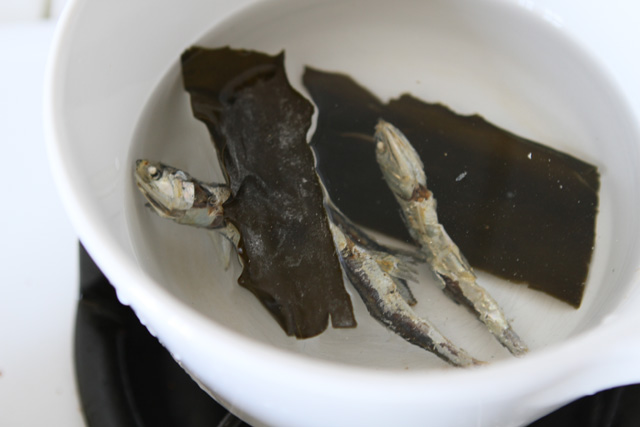
6 dried anchovies and 1 square of dried kelp (Optional)
2 cups water
1 t sugar
1 t red pepper powder
1 T red chilli pepper slices
2 T green onion slices


1. Add anchovies and seaweed in to a pot with water and boil for 5 minutes. Set aside.


2. Heat the oil in a ceramic pot(it's ok to use whatever pot you have) and put in the kimchi slices. Let it fry for 1-2 minutes.


3. Add sugar.


4. Add the red pepper powder and mix it around.


5. Add the anchovy stock to the ceramic pot. Bring to boil then let it simmer for 10 minutes.


6. Add the tuna and let simmer for 5-10 more minutes. Simmer time may vary depending on how thick you like the jjigae to be. The longer you simmer, the richer the taste.


7. Add the green onions and red pepper and simmer for 1 more minute. Put on the table and enjoy!

* Pork version is also delicious and a bit more hearty. Just add 2 ounces of pork belly when you are frying the kimchi and let it cook through. Replace anchovy broth with regular water.